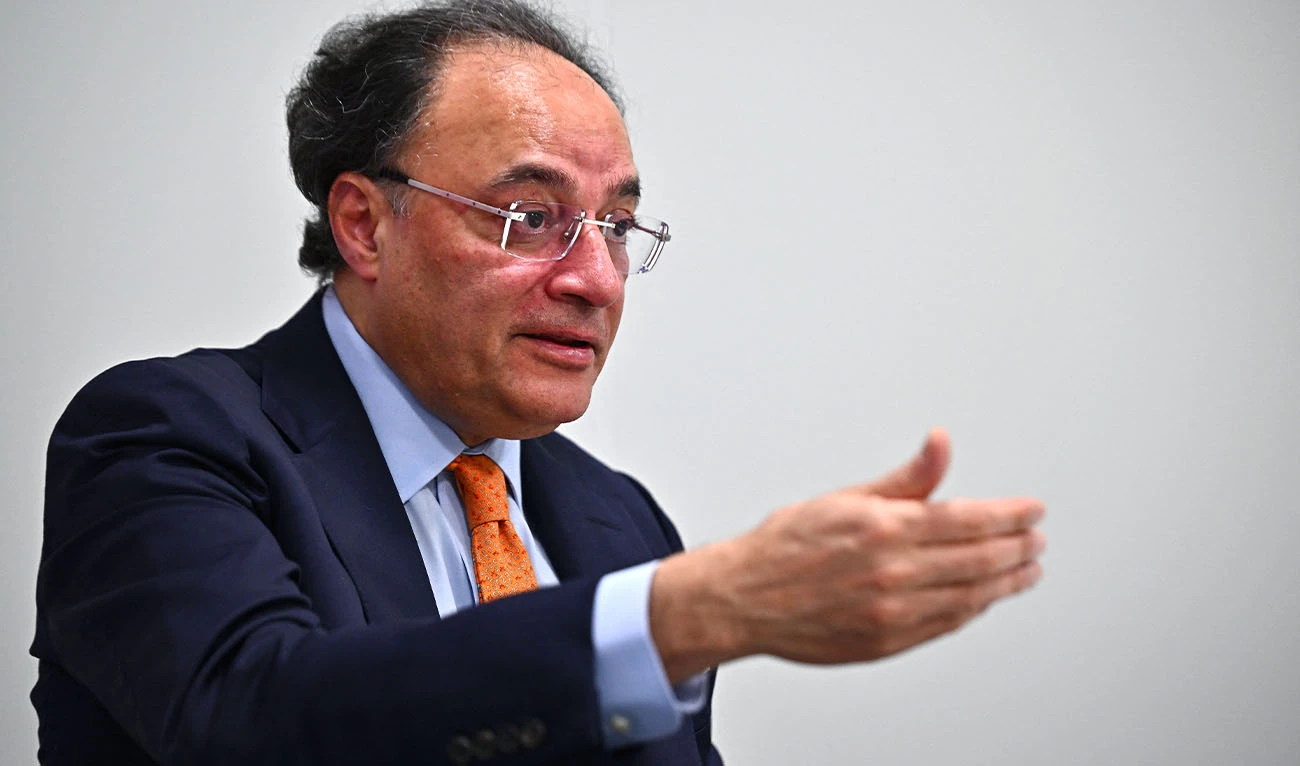
Attacks on energy infrastructure across Saudi Arabia and other Gulf nations threaten to prolong Pakistan's economic challenges even after regional hostilities subside, Finance Minister Muhammad Aurangzeb warned on Saturday.
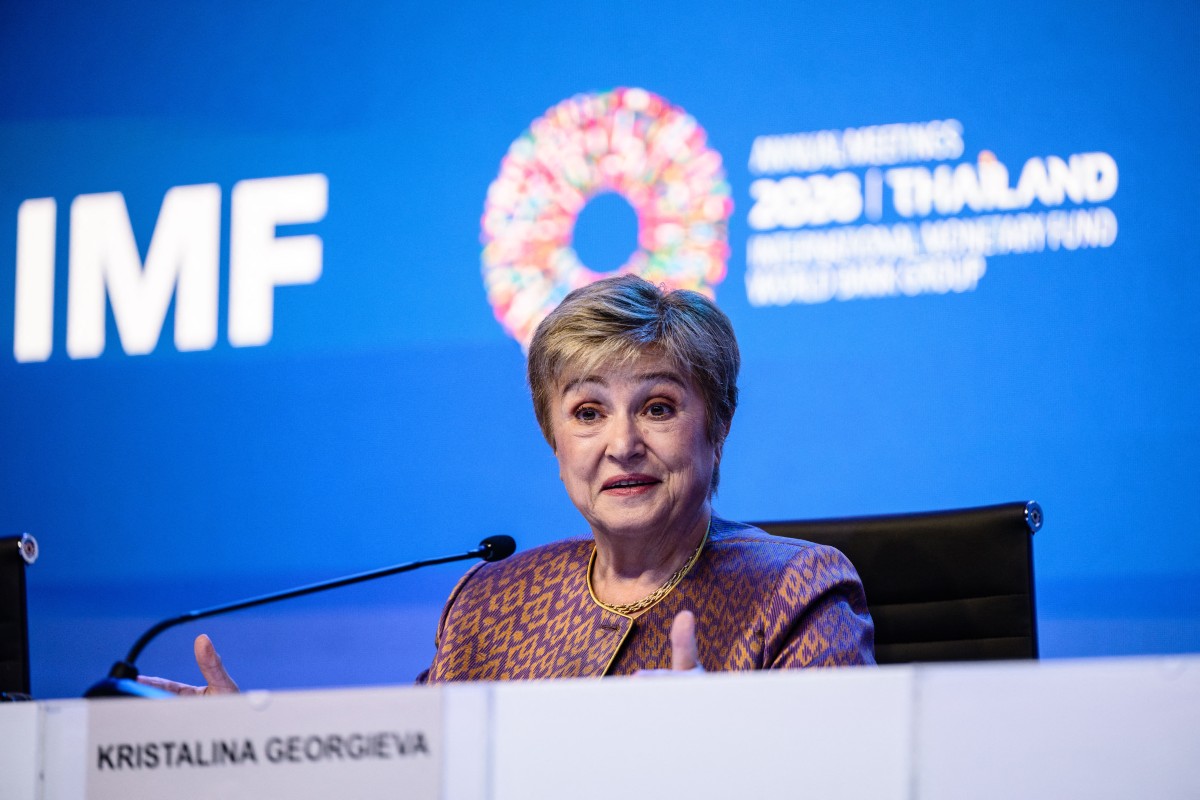
Speaking on the sidelines of the IMF-World Bank Annual Meetings in Bangkok, Aurangzeb said Pakistan had navigated the immediate impact of soaring energy costs sparked by the war involving the United States, Israel, and Iran that began in February. Retaliatory actions by Tehran and renewed strikes by Yemen's Houthis have targeted Gulf allies, curtailing oil and gas output and hitting energy sites and airports.
Aurangzeb noted that Pakistan has secured adequate fuel supplies through November and is arranging resources for higher winter household consumption. He said the government intends to avoid buying expensive spot liquefied natural gas shipments unless facing an absolute dire need, having avoided fuel queues, shortages, or unrest so far.
However, physical damage to regional facilities poses deeper risks. Aurangzeb cautioned that if energy infrastructure continues to be hit, any recovery will take longer to achieve even after broader tensions ease.
Pakistan is currently operating under a three-year, $7 billion International Monetary Fund program, its 25th engagement with the lender. The IMF agreed this month to disburse a $1.2 billion tranche as it urges member states to pursue fiscal consolidation amid mounting global debt pressures.
To bolster state finances, Aurangzeb said Islamabad is focusing on cracking down on tax evasion, particularly private companies that pocket billions of dollars in collected sales taxes instead of remitting them to the state. He acknowledged encountering pushback from industry lobbies against the state's reform drive.
Addressing IMF privatisation requirements concerning commercial ventures run by the military, Aurangzeb said those enterprises operate on a standalone, profitable basis and do not receive financial support from the public exchequer.