Relations between Turkiye and Azerbaijan have encountered unusual diplomatic friction, prompted by Baku's new school dress restrictions and lingering disagreements over Israel.
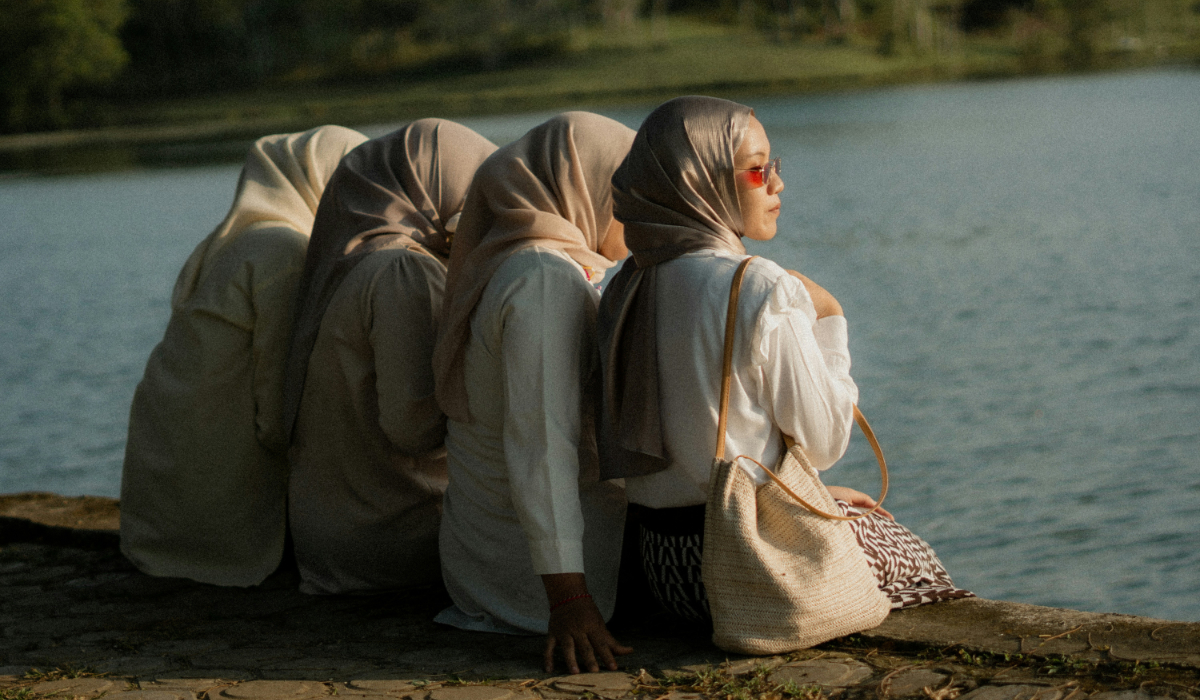
The dispute surfaced publicly after Oktay Saral, chief adviser to Turkish President Recep Tayyip Erdogan, criticised Baku's decision to alter school uniform rules to ban items conflicting with secular education principles. Saral stated on social media that “Wearing a headscarf ... is a requirement of faith!” and urged Azerbaijani authorities to reverse the measure as quickly as possible.
Azerbaijan's ruling Yeni Azerbaijan Party quickly pushed back, denouncing Saral and lawmakers from Erdogan's Justice and Development Party for “populist and irresponsible statements.” The party also said that an aggressive, systematic, and slanderous disinformation campaign had been directed against Azerbaijan.
The disagreement reflects differences between Azerbaijan's secular administration and the conservative leadership in Ankara, alongside sharp divergences regarding Israel. Baku maintains close ties with Israel, which supplied drones and weaponry during the 2020 Karabakh conflict with Armenia. By contrast, Turkish relations with Israel have severely deteriorated, with Erdogan accusing Israel of genocide in Gaza and regularly meeting Hamas officials.
Turkish pro-government outlets, including the Yeni Safak daily, described the dress code measures as a gesture toward Israel. Azerbaijan's governing party dismissed those assertions, saying it firmly rejected efforts to misrepresent its relationship with Israel and turn the issue into political accusations against Baku.
The dispute broadened on Friday when Azerbaijani prosecutors announced an international arrest warrant for Turkish journalist Celal Ciftci of the Sanliurfa Olay newspaper. Authorities in Baku accused him of promoting religious extremism and calling for a coup d'état in the country.
Despite the friction, officials from both governments have indicated an interest in easing bilateral strains. Kursad Zorlu, deputy head of Turkiye's ruling party, noted that both countries knew how to handle issues internally, while Turkish Foreign Minister Hakan Fidan pointed to durable ties between the leaderships during a regional summit in Baku.