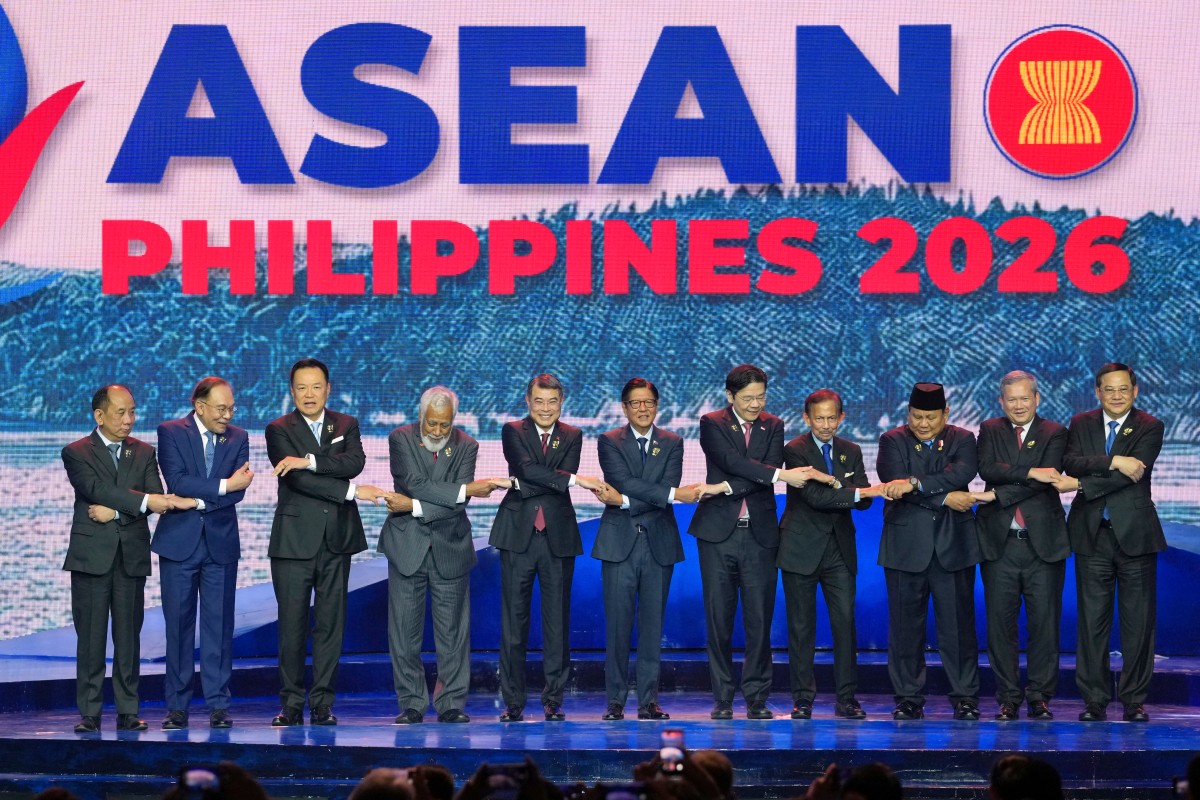
Southeast Asian leaders will evaluate fresh measures to address a regional fuel shortage driven by the war between Iran, the United States, and Israel when they gather in Manila on Sunday, Philippine officials announced.
The three-day summit of the 11-member Association of Southeast Asian Nations will also bring together several global figures, including US President Donald Trump, Chinese Premier Li Qiang, Indian Prime Minister Narendra Modi, and Brazilian President Luiz Inacio Lula da Silva.
Disrupted maritime transit through the Strait of Hormuz following US-Israeli attacks on Iran and subsequent retaliatory strikes by Tehran against Gulf allies has left ASEAN economies vulnerable to price shocks and depleted stockpiles. ASEAN imports more than 55 percent of its crude oil from the Middle East, according to the ASEAN Center for Energy, affecting the bloc's population of 700 million.
Dominic Xavier Imperial, a spokesperson for the Philippine chairmanship of the bloc, confirmed on Friday that regional energy security will dominate discussions. "We are still feeling the impacts of the Middle East crisis," Imperial said. "So, we should expect some additional measures and decisions from our leaders in addressing the energy situation that we’re facing at the moment."
The economic toll has mounted sharply across member states, where dependence on Middle Eastern oil varies between roughly 25 percent and over 80 percent. Data from the energy center shows retail petrol prices have surged 76 percent in the Philippines and 68 percent in Cambodia, while diesel prices in Thailand have risen by 70 percent. In the Philippines, inflation escalated from 2.4 percent in February to 7.8 percent last month, while Malaysia's petroleum subsidy expenses have surged to $10 billion, almost three times its original budget allocation.
Member states have previously examined establishing an emergency fuel-sharing framework following an initial oil stockpile proposal introduced at a May summit in Cebu. The plan is modeled on ASEAN's existing emergency rice reserve, which functions alongside China, Japan, and South Korea to release supplies during crises without destabilising market prices.
Michael Ricafort, chief economist at the Rizal Commercial Banking Corporation, said the summit presents an opportunity to negotiate diversified supply terms and mutual agreements between states with differing storage capacities. Ricafort noted that the gathering should also facilitate broader diplomatic engagement to curb market volatility and end the conflicts disrupting global energy supplies.