Saudi Arabia is advancing its climate objectives alongside efforts to guarantee reliable fuel supplies, maintaining that environmental commitments and energy security must not be treated as opposing priorities.
Speaking on the sidelines of the 25th WPC Energy Congress in Riyadh, Princess Noura bint Turki Al-Saud said the Kingdom has consistently pushed for an integrated policy framework as global energy forums increasingly recognise the importance of secure supply lines.
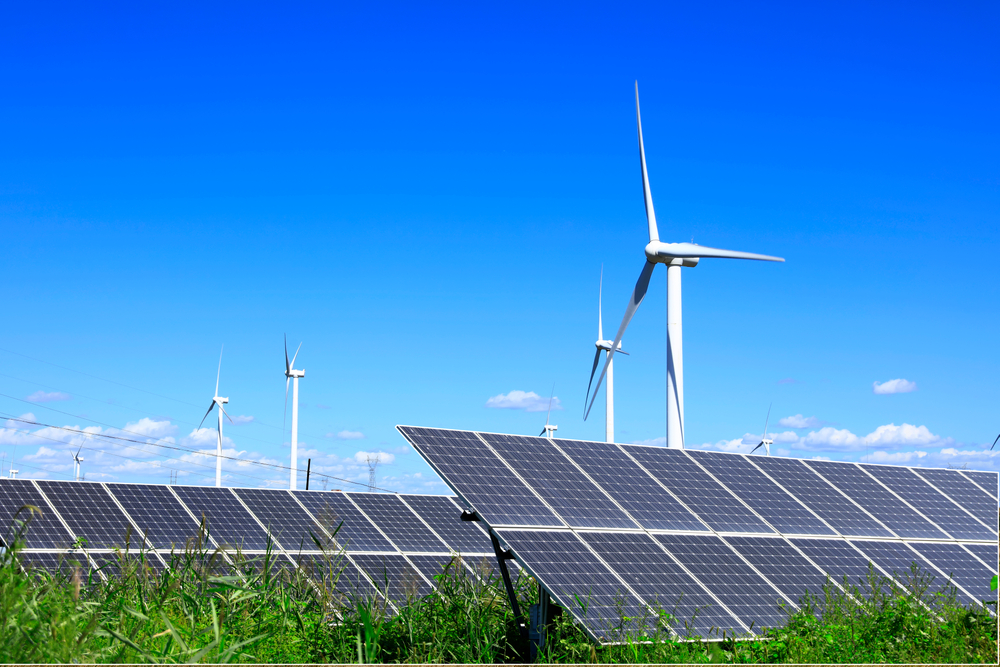
As part of its strategy to reduce reliance on oil, Saudi Arabia aims to establish an electricity-generation mix consisting of 50 percent natural gas and 50 percent renewable energy by 2030.
Princess Noura, who co-founded the AEON Collective to advocate for inclusive and sustainable development, said claims that climate goals are taking a back seat do not mean countries are abandoning environmental promises. Instead, she said, the shift marks a necessary reassessment of how climate directives interact with market realities after green targets dominated discussions for an extended period.
“This is where the Kingdom came in, with a different perspective and constantly reminding the world that you cannot detach energy security and energy affordability from the climate challenge and the climate issues that we’re facing,” she said.
She stressed that energy decisions should be guided by sector professionals who understand supply dynamics rather than an isolated view of environmental targets, noting that Saudi Arabia continues to invest across both conventional and renewable sectors.
“In the end, it’s not an either-or situation, right? It’s all of the above,” she said, adding that climate change remains one of the greatest long-term challenges and cannot be tackled by ignoring energy needs.
Princess Noura also emphasised public education, pointing to AEON Collective’s Tree Library programme as a way to demystify complex, technical energy debates and help people evaluate facts beyond political headlines.