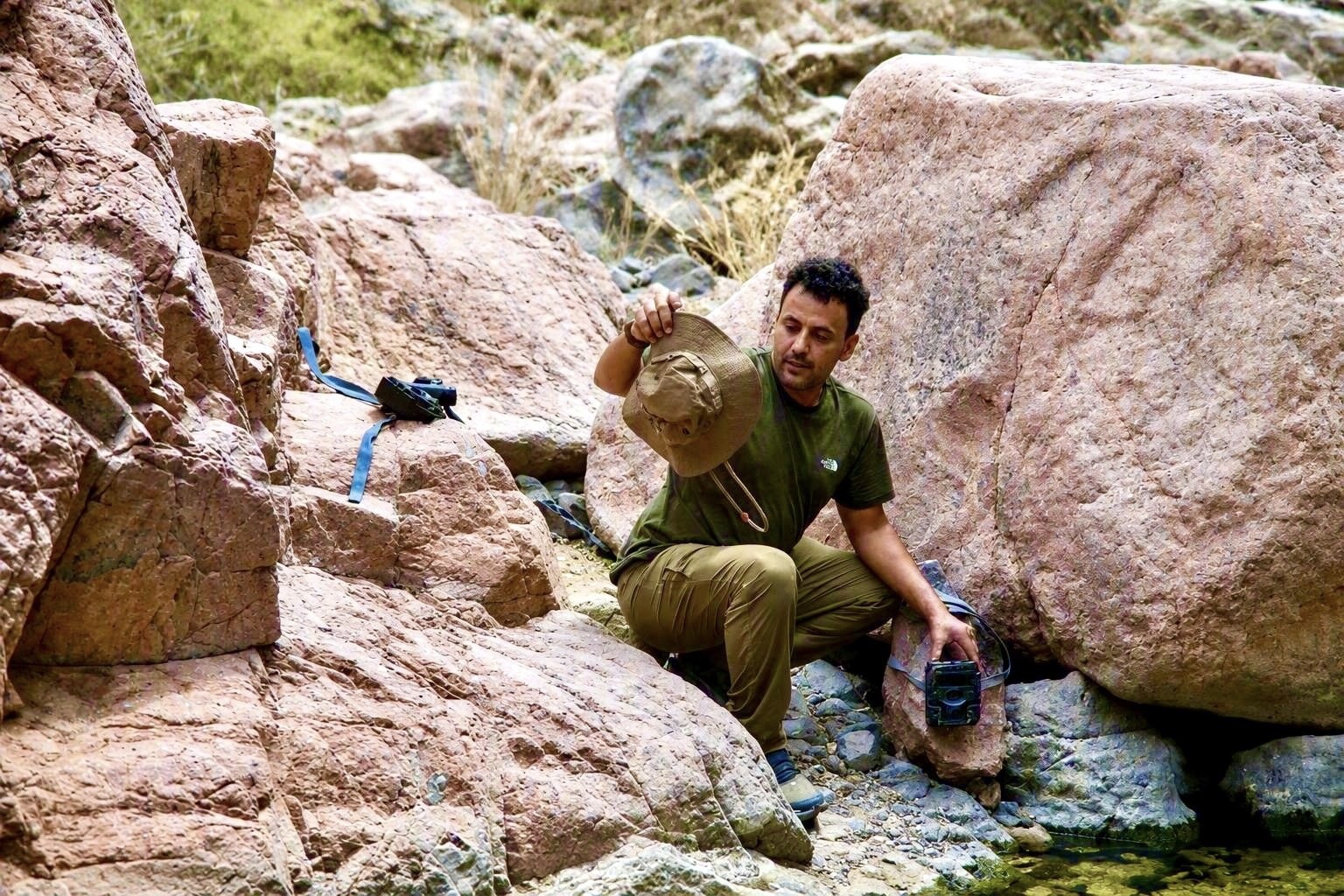
Rangers across the protected nature reserves of AlUla are conducting around-the-clock field patrols and expanding remote monitoring systems to safeguard indigenous wildlife and restore local habitats, according to conservation officials.
Mohammad Al-Balawi, head ranger in the Royal Commission for AlUla’s Wildlife and Natural Heritage department, oversees teams managing the expansive desert terrain. The conservation initiative aims to protect existing wildlife while preparing the ecosystem for the planned reintroduction of the Arabian leopard into protected zones.
“That includes ensuring a healthy and sustainable prey base and maintaining the natural conditions it will need to survive,” Al-Balawi notes.
Rangers rely heavily on concealed camera traps to observe animals without disturbing their natural routines. The devices monitor priority species such as the mountain gazelle, along with Arabian oryx, Nubian ibex, wild rabbits, and rock hyraxes. The imagery helps rangers map animal movements and study how different species share the same desert vegetation.
Beyond animal surveillance, field teams protect native trees from overgrazing, stripping, and unauthorized felling for firewood. Authorities have also restricted visitor access to designated corridors based on specific interests such as geology, flora, or birdwatching, shielding more fragile sections from ecological stress.
Managing the expansive terrain poses operational hazards alongside illegal activities. During one remote camera-installation assignment, a team member was bitten by a snake, requiring emergency protocols. Al-Balawi, who joined the commission in February 2019 during the launch of the Sharaan Nature Reserve, received wildlife management training at Tanzania's Mweka College of African Wildlife Management and the University of Costa Rica.
Describing the broader mission of the reserve network, Al-Balawi said the work is “a passion, a commitment and a responsibility to protect our land, its wildlife and natural heritage for our children and future generations.”