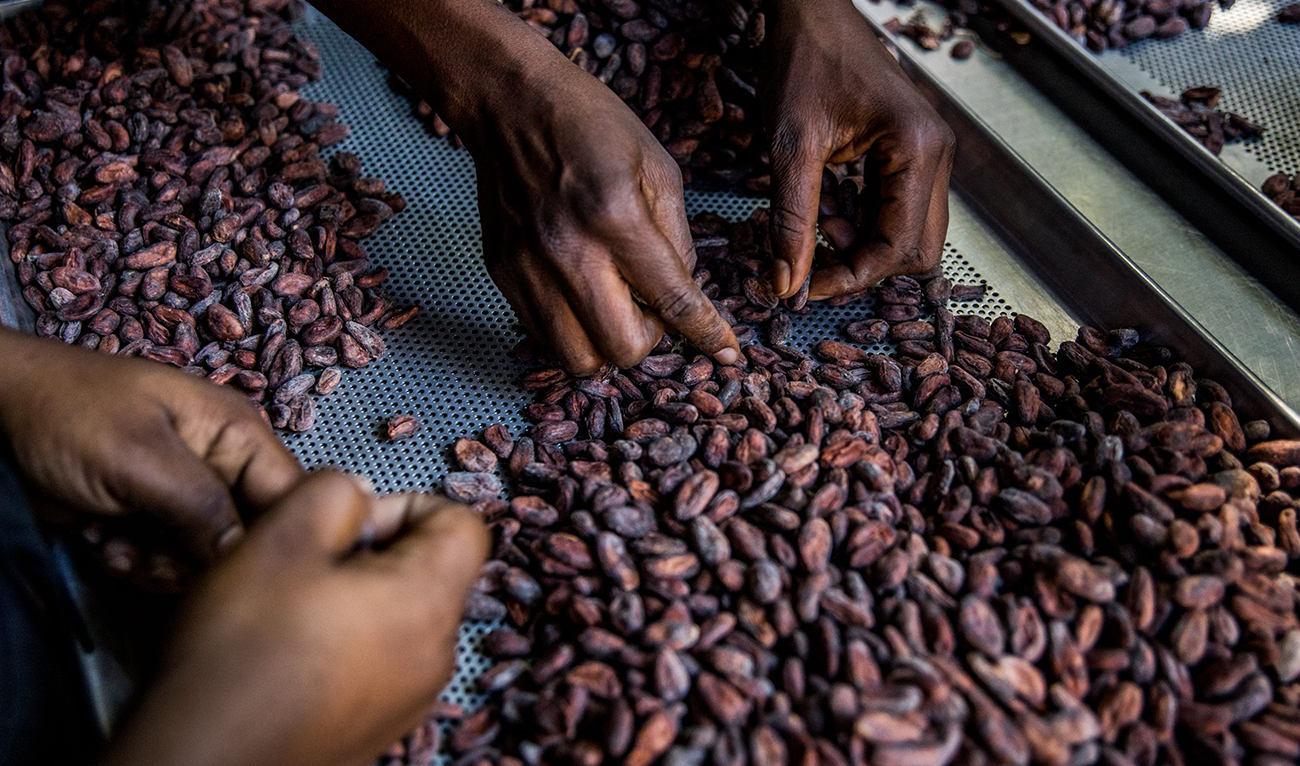
Agricultural scientists in Ivory Coast are working to breed drought-tolerant cocoa varieties to protect the country's primary cash crop from worsening climate conditions and declining rainfall.
Ivory Coast generates nearly 40 percent of the world's cocoa, an industry that accounts for 15 percent of the national gross domestic product and sustains around five million people out of a population exceeding 33 million. Europe receives 70 percent of the nation's cocoa shipments, making the crop central to the global chocolate supply chain.
Researchers at the National Center for Agronomic Research (CNRA) have produced 11 varieties rated as satisfactory and plan to eventually supply them to farmers. The breeding programme focuses on cross-pollinating parent plants and evaluating offspring under various stages of water stress in greenhouses to identify strains that require less moisture.
According to a report by the ministry of ecology, rainfall in the West African nation has steadily decreased since the 1980s. CNRA agronomist Maryse Assi noted that between 2003 and 2022, regional precipitation dropped to slightly over 1,100 millimetres annually, falling short of the 1,200 to 2,000 millimetres required by cocoa trees. She warned that water deficits disrupt flowering, reduce fruit yields, and degrade soil fertility.
In farming areas such as Divo in the country's centre, growers including Kofi Alexis Amani and Anselme Kouakou have faced wilting trees, dry branches, and smaller pods. To protect their plantations while waiting for new seed varieties, some farmers have planted banana, cashew, and iroko timber trees alongside cocoa crops to create shade and assist water retention.
The research comes as government estimates show temperatures rose by 1 degree Celsius between 1991 and 2020, with projections indicating further increases of 1.7 to 3.7 degrees Celsius by 2080. The government has warned that cocoa production could decline by 20 percent by 2050 if defensive steps are not taken, prompting Yves Brahima Kone, head of the cocoa industry regulatory body, to declare that “the future of our orchards lies in research.”