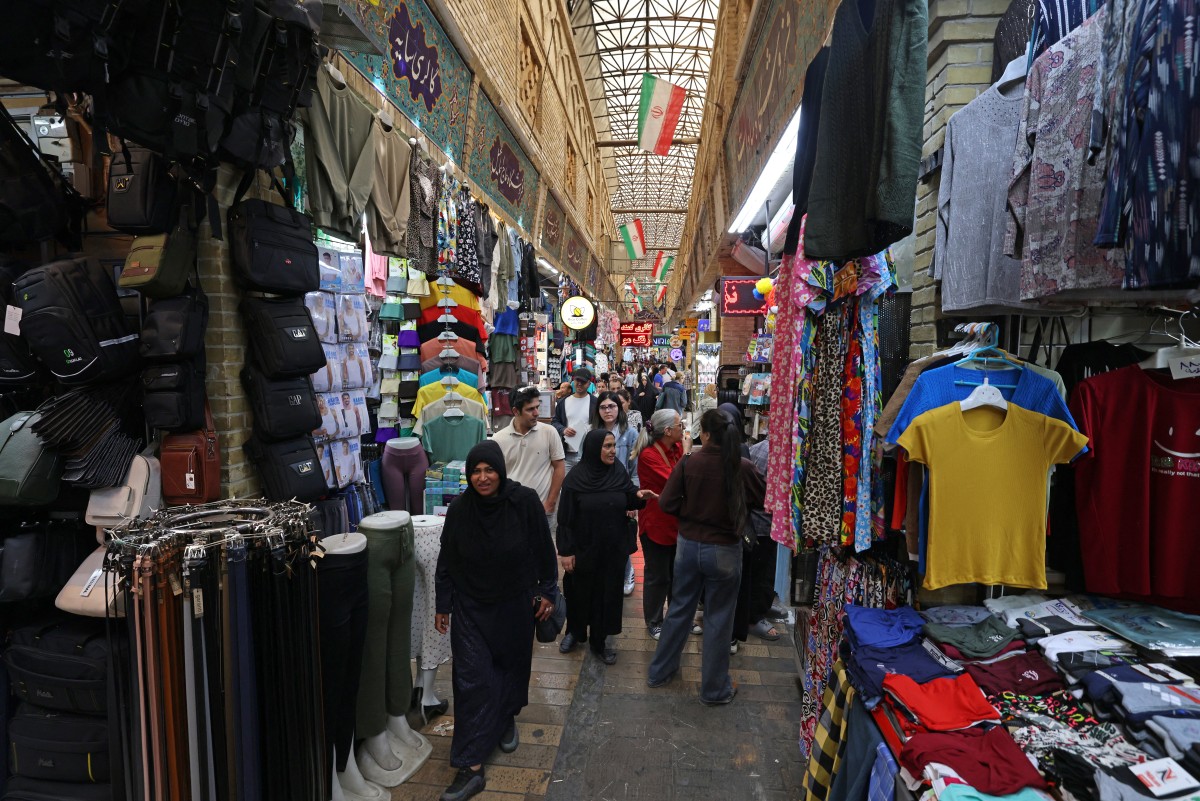
Shops across Tehran are grappling with plummeting customer traffic and the threat of bankruptcy as wartime inflation and a sinking national currency gut purchasing power across the Iranian capital.
The downturn follows the outbreak of conflict in February, marked by US-Israeli strikes and an American blockade of Iranian ports, which compounded years of economic pressure from sanctions. Official figures show annual inflation reached nearly 90 percent in September, with food costs doubling over the past year and gross domestic product shrinking 10.1 percent between late March and late June.
At the historic covered bazaar in northern Tehran’s Tajrish square, merchants report that shoppers are increasingly browsing without making purchases. In the unofficial market, the rial recently traded at approximately 2.7 million to the US dollar, down from roughly 1.7 million prior to the war, while the monthly minimum wage has dropped from about $120 a year ago to $65.
Traders say the squeeze has crippled their ability to stock inventory and meet overhead expenses. Ali Nowruzi, a 36-year-old sportswear merchant, said rising rents and utility bills are threatening commercial survival as warehouse supplies sit unsold.
"It is a desperate, last-ditch struggle. Manufacturers are going bankrupt, laying off staff and closing shops, and the impact inevitably reaches us," Nowruzi said.
Food vendors have seen similar contractions in household budgets. Nasir, a 61-year-old fruit and nut seller in the bazaar, urged authorities to steady exchange rates to allow businesses to plan. "There used to be customers who bought two to five kilograms. Now, they’re down to buying one kilogram or half a kilogram," he said.
Services have also been hit by the rising costs of spare parts and consumer cutbacks. Mojtaba Rezaei, a 57-year-old car mechanic, said his client numbers have fallen to one-tenth of previous levels as parts prices doubled or tripled. "I actually feel embarrassed telling prices to customers. People just come in, ask the price, and leave," Rezaei said.
Iran's economy minister has dismissed warnings of an impending economic collapse, asserting that adversaries are attempting to stoke public panic and manipulate currency rates. Consumers, however, report severe cutbacks on basic purchases, clothing and leisure travel to cope with the steep price hikes.