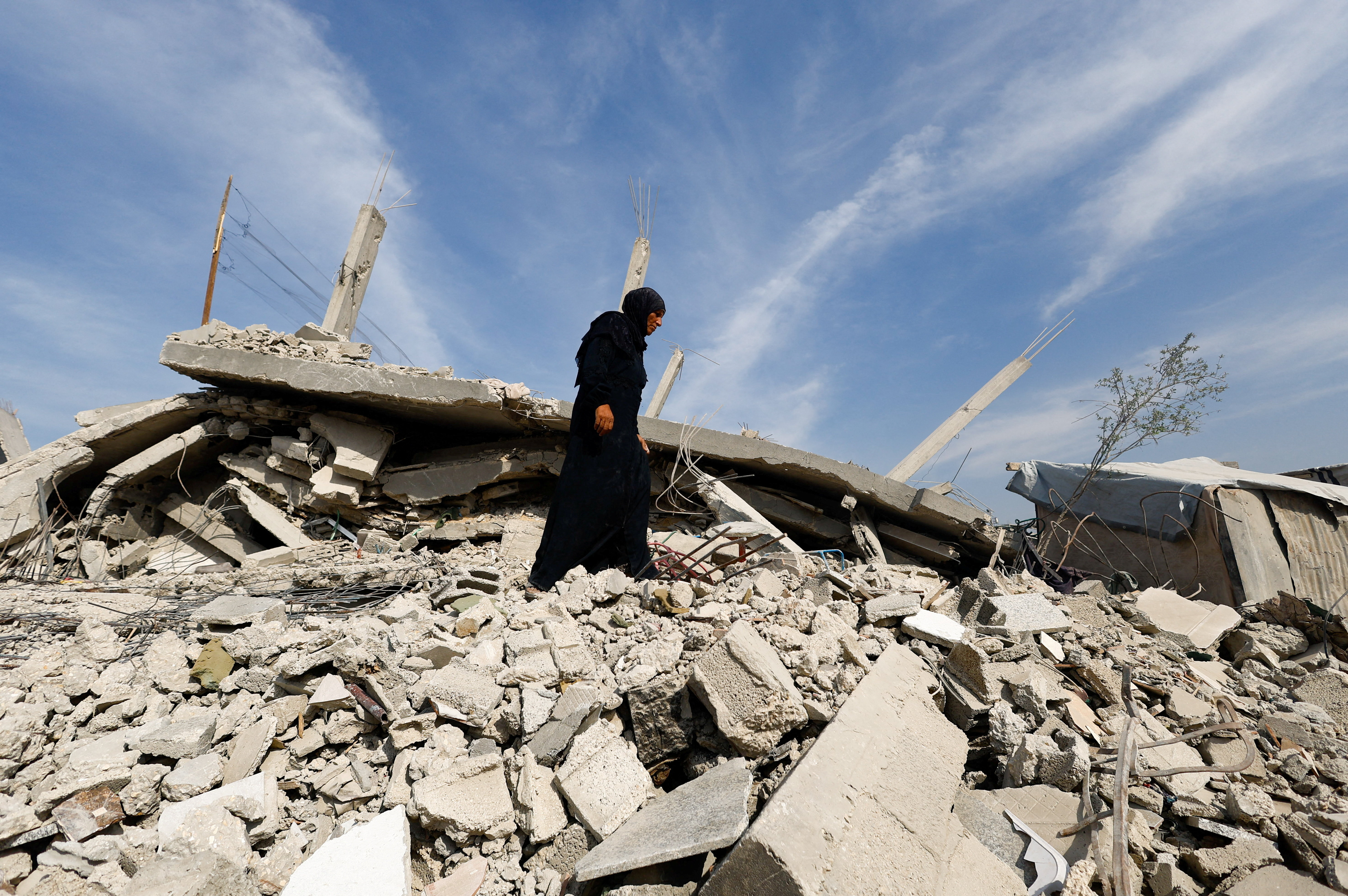
Clearance of an estimated 61 million tonnes of rubble across the Gaza Strip could take between seven and 14 years, as recovery teams confront hazardous waste, unexploded munitions and strict access restrictions.
United Nations assessments indicate that three years of war have damaged 82 percent of structures in the enclave, with at least two-thirds completely destroyed. The volume of debris represents roughly 169 kilograms per square metre across the strip, rising from approximately 40 million tonnes recorded in mid-2024.
“The estimate of the total amount of rubble in Gaza is 61 million tonnes,” said Jaco Cilliers, the UN Development Programme’s special representative in Palestine. “It is approximately 20 times the amount of rubble generated in all wars across the world over the last 18 years.”
Clearance operations have removed around 907,000 tonnes of debris so far, representing about 1.5 percent of the total, with roughly one-third recycled. The overall clearance effort is projected to cost $1.2 billion, but work is hobbled by equipment shortages. Teams rely on just seven worn crushers, and Israeli restrictions on dual-use items prevent the entry of modern heavy machinery and spare parts.
Beyond logistical obstacles, the debris poses critical health and environmental dangers. A July 2025 UN Environment Programme report estimated that 8 million tonnes of rubble could be hazardous, including nearly 5 million tonnes potentially contaminated with carcinogenic asbestos. Approximately 7,000 tonnes of unexploded munitions also remain buried, while the UNDP estimates that between 8,000 and 10,000 human bodies may still be trapped beneath the ruins.
Territorial restrictions further complicate disposal. Israeli forces occupy large swathes of the strip, leaving barely 30 percent of the area open to civilians and humanitarian personnel. Although about 580 kilometres of roadway have been reopened for emergency deliveries, partially standing structures frequently collapse, and hundreds of thousands of acute respiratory infections have been documented.
Governance disputes also hamper progress. While the United States has pressed Israel to oversee and fund the initial cleanup, Palestinian political analyst Ahmed Najar noted that border restrictions give Israel control over the operation. “Israel’s control over crossings, territory and the entry of equipment gives it enormous power over both the pace and character of rubble removal,” Najar said.