Oil markets retreated on Wednesday as swelling petroleum inventories in the United States dampened recent price momentum, counterbalancing the effects of regional military escalations in the Gulf.
Brent crude futures dropped 61 cents, or 0.7 percent, to $92.53 a barrel at 08:50 a.m. Saudi time. US West Texas Intermediate declined by $1.24, or 1.4 percent, to $84.77 a barrel.
Market sources citing American Petroleum Institute statistics reported that US crude reserves swelled by 5.28 million barrels in the week concluded Nov. 13. The weekly tally also showed an increase of 5.12 million barrels in motor gasoline stocks, alongside a 351,000-barrel rise in distillate supplies.
The inventory build along the Gulf Coast helped push the Brent-WTI prompt spread to a high not seen in more than two weeks. Sparta Commodities senior analyst June Goh explained: “WTI arbitrage trades have been shut to Asia and North West Europe, thus WTI correcting more than Brent is the expected price movement to allow the arbitrage window to open again.”
Market analysts noted that expanding stockpiles are contending with an intense security backdrop. “Crude is wedged between a persistent geopolitical risk premium from tanker attacks and escalating tit-for-tat US-Iran strikes, and an increasingly bearish sentiment from a chorus of analysts forecasting a sizeable market surplus,” said Vandana Hari, founder and CEO at Vanda Insights.
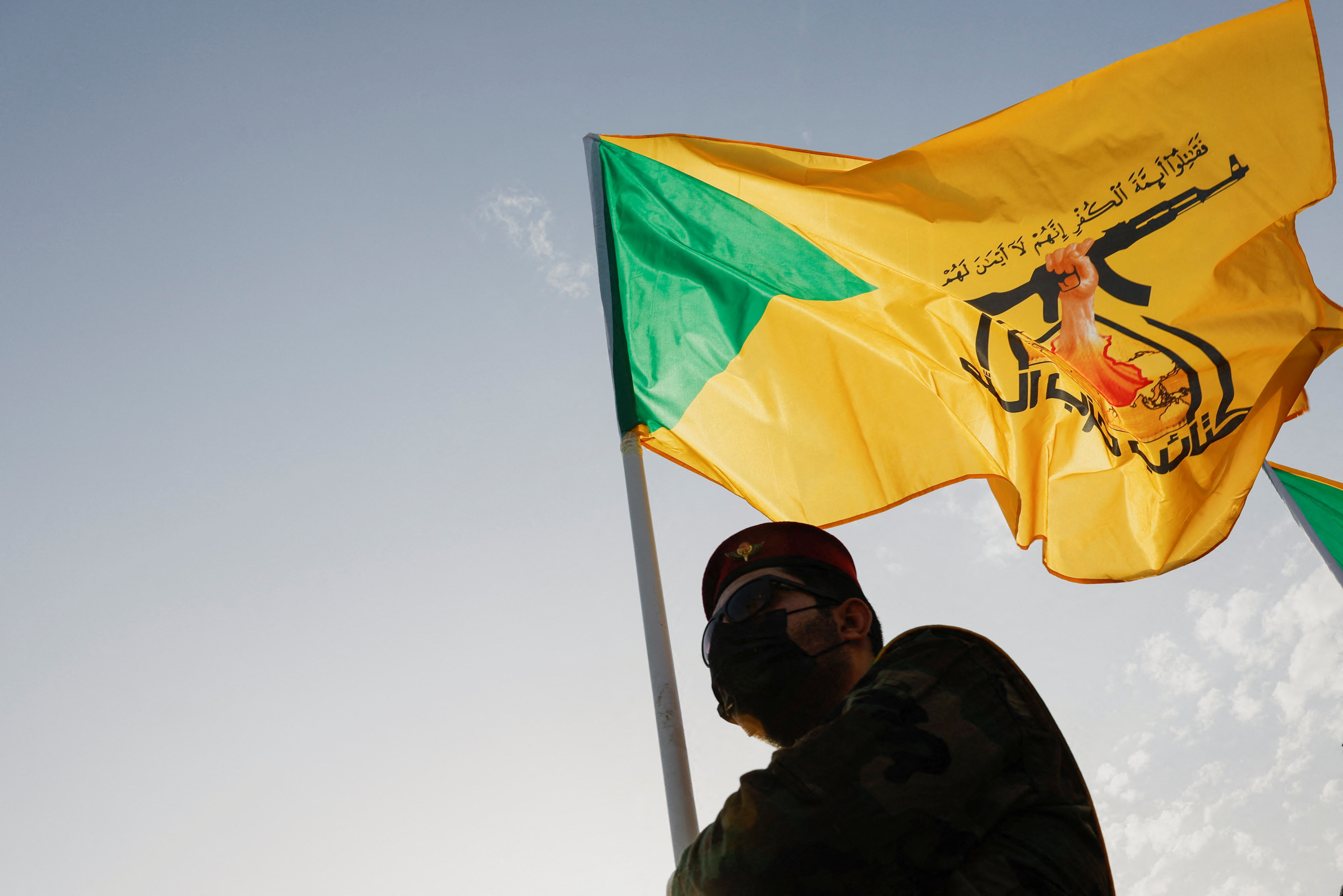
Fears of regional disruption continued to limit steeper declines. On Wednesday, Bahrain’s defence force reported intercepting aerial attacks launched from Iran. The island kingdom hosts the US Navy’s Fifth Fleet. A day earlier, Iranian drones hit an American radar station in Bahrain, drawing retaliatory US military strikes against a missile launch facility situated on Qeshm Island.
Concurrently, Yemen's Houthi movement declared on Tuesday that it had targeted two pumping installations on the East-West pipeline in Saudi Arabia using five drones. The kingdom employs the line to move crude to the Red Sea port of Yanbu, circumventing maritime chokepoints.
Shipping security across regional waterways remains precarious following a Monday projectile attack on an LPG tanker off Oman, which forced sailors to evacuate. Despite ongoing mediation by Oman and Qatar, maritime flows remain constrained. LSEG analysts noted on Tuesday: “Although regional supply may continue to recover through alternative routes, the latest vessel data suggests that normalization of flows through Hormuz is still not possible under current conditions.”