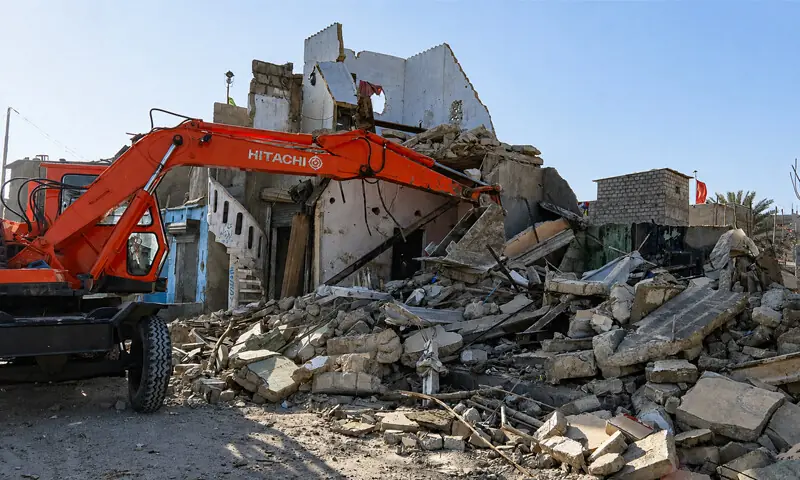
Large infrastructure projects are often presented as symbols of progress. New transport corridors promise faster mobility, greater regional connectivity and economic growth. Yet, the success of such projects depends not only on engineering but also on the way they transform the lives of the people who occupy the spaces through which they pass. In Karachi, the proposed modernisation of Pakistan Railways’ Main Line-1 (ML-1) and the revival of the Karachi Circular Railway (KCR) illustrate this contradiction. Both projects promise substantial improvements to the country’s transport network, but both also require extensive clearance of settlements that have existed for decades along the railway…
RETHINKING REHABILITATION
Advertisement
Leaderboard ad — 728×90
Advertisement
In-article ad — fluid
This is a curated summary. The full report, with all details and context, is available from the original publisher.
Read the full story at DawnHeadline, summary and image are © Dawn and are shown here under standard aggregation practice with full attribution. News Inspection does not claim ownership of this reporting.